Dolby Atmos vs. DTS:X: Which Surround Sound Format Is Better?
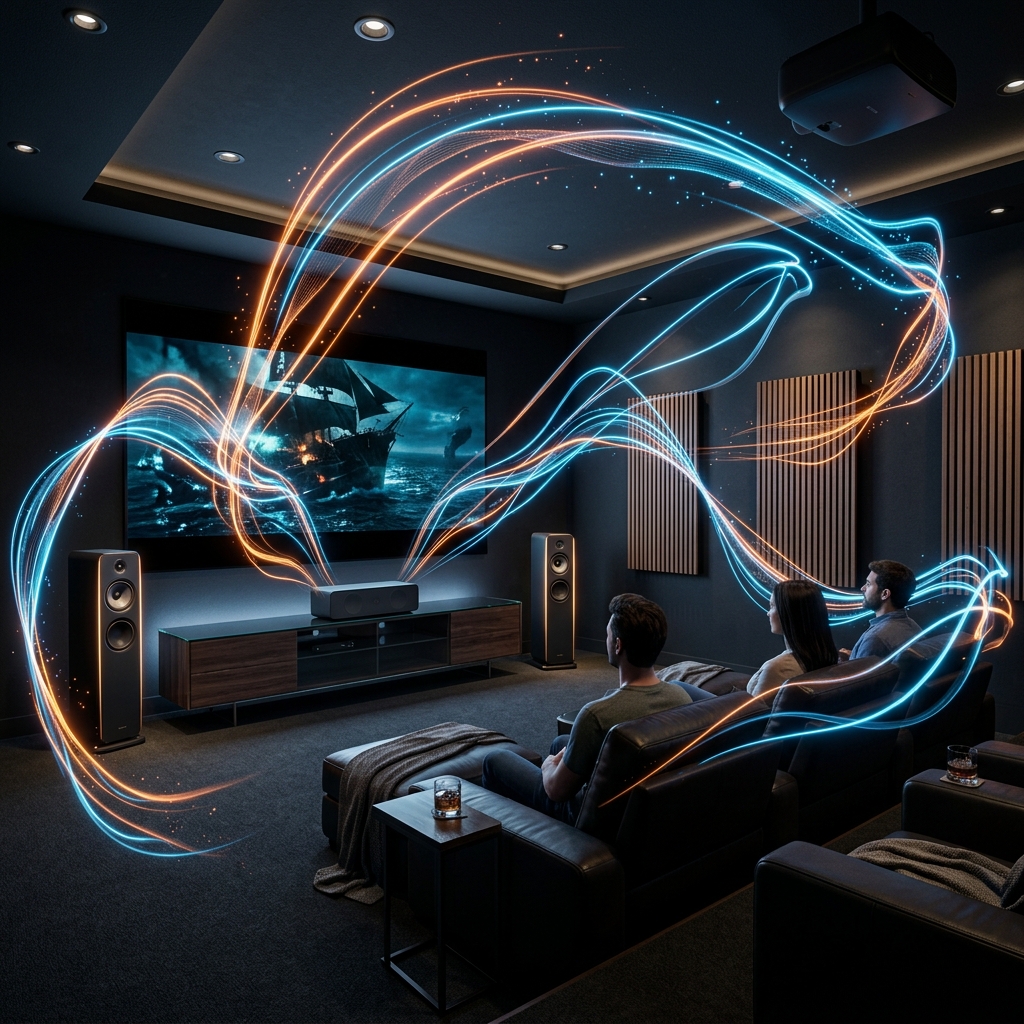
When building a modern home theater, choosing the right audio format is critical to achieving an immersive, cinematic experience. For years, traditional surround sound relied on channel-based configurations like 5.1 or 7.1. Today, however, the industry is dominated by object-based spatial audio. The two heavyweights in this space are Dolby Atmos and DTS:X.
While both formats aim to envelop you in a three-dimensional dome of sound—adding height channels so sound effects can move above and around you—they achieve this goal in slightly different ways. In this article, we'll break down the key differences between Dolby Atmos and DTS:X to help you decide which format is best for your living room.
What is Dolby Atmos?
Introduced in commercial theaters in 2012 and adapted for home use shortly after, Dolby Atmos is the pioneer of object-based audio. Instead of assigning a sound effect to a specific speaker channel (like the left surround speaker), Dolby Atmos treats sounds as individual "objects" in a 3D space. Sound engineers can place up to 128 simultaneous audio objects and pan them dynamically across your room.
To experience Dolby Atmos at home, you need height channels. This can be achieved using dedicated ceiling speakers (e.g., a 5.1.2 or 7.1.4 setup) or upward-firing drivers built into high-quality soundbars that bounce sound off your ceiling.
What is DTS:X?
Released in 2015 as a direct competitor to Dolby Atmos, DTS:X is also an object-based audio format. It operates on the same core principle of treating sounds as individual objects rather than channel-bound audio tracks. However, DTS:X has a few unique technical characteristics that set it apart.
The primary advantage of DTS:X is its flexibility in speaker layouts. While Dolby Atmos recommends specific speaker placements to work optimally, the DTS:X auto-calibration engine adapts to almost any speaker configuration you have in your room. If you can't place height speakers in the exact "Dolby-approved" spots, DTS:X will adjust its processing to deliver a convincing spatial effect regardless of your physical layout.
Key Differences Compared
1. Audio Bitrates and Compression
Dolby Atmos is delivered using two different codecs: Dolby Digital Plus (compressed, used by streaming services like Netflix, Disney+, and Apple TV+) and Dolby TrueHD (lossless, uncompressed, found on Blu-ray discs). On the other hand, DTS:X is delivered via DTS-HD Master Audio, which is also lossless and uncompressed. Technically, DTS-HD Master Audio operates at a slightly higher bitrate than Dolby TrueHD, leading audiophiles to argue that DTS:X can sound marginally more detailed, although the difference is virtually indistinguishable to most ears.
2. Content Availability
This is where Dolby Atmos holds a massive lead. Almost every major streaming platform supports Dolby Atmos for their premium plans. DTS:X, however, is rarely supported by streaming services due to its higher bandwidth requirements. Instead, DTS:X is primarily found on physical media, such as UHD Blu-ray discs, and through select IMAX Enhanced streaming content on platforms like Disney+.
3. Dialogue Control
DTS:X features built-in Dialogue Control, allowing users to adjust the volume of voices independently of the ambient sound effects and soundtrack. This is incredibly helpful for late-night viewing or for people who struggle to hear dialogue during loud action scenes. Dolby Atmos relies on the hardware manufacturer (the TV or soundbar) to implement similar dialogue enhancement features.
Conclusion: Which One Should You Choose?
In an ideal world, you shouldn't have to choose. Most modern AV receivers and premium audio systems support both formats, decoding whichever signal is feeded from the source material. However, if content variety and streaming ease are your top priorities, Dolby Atmos is the clear winner due to its widespread adoption across Netflix, Amazon Prime, and Apple TV+.
When selecting audio hardware, ensure your system is equipped to process these spatial formats natively. The Verona VN26 5-Speaker System, for example, features advanced, hardware-level Dolby Atmos decoding, ensuring that whether you are streaming spatial audio or playing uncompressed Blu-ray audio, the multi-channel sound field remains perfectly balanced and detailed.


Comments
Post a Comment