Opus 2M2 Review: Why This Dual-DAC Legend Still Rules the Airwaves in 2026
The Audiophile’s Anchor in a Digital Sea
There is a specific moment during a listening session—that fleeting instant when you close your eyes, the room seems to dissolve, and the music ceases to be a digital file and becomes a physical presence. In an era where consumer audio is dominated by disposable gadgets and compressed wireless streams, finding a device that treats your high-resolution library with genuine reverence is becoming a lost art. The Opus 2M2 is that rare exception. Even in 2026, when newer, flashier players crowd the market, this unit remains a touchstone of engineering. It isn’t just about the specs; it’s about the emotional weight it brings to every track, proving that true quality is timeless.
What Is the Opus 2M2?
The Opus 2M2 is a high-fidelity Digital Audio Player (DAP) that serves as a bridge between your high-resolution music collection and your favorite pair of headphones. Designed for the discerning listener who finds modern smartphone audio to be sterile and uninspired, the 2M2 focuses on uncompromising signal integrity and a robust, analog-like sound signature. It is a dedicated piece of hardware meant for those who want their music to take center stage, free from the distractions of notifications or the limitations of standard Bluetooth codecs.
Built by a team that prioritizes the "audio-first" philosophy, the 2M2 acts as a portable powerhouse. By housing a sophisticated dual-DAC architecture inside a chassis that feels more like a precision instrument than a consumer electronic, it caters to those who view listening to music as an intentional, immersive activity rather than a background task.
Key Features & Specifications
- DAC Architecture: Dual ESS9018K2M chips for true balanced signal processing.
- High-Res Support: Bit-to-bit decoding up to 32bit / 384kHz PCM and native DSD64/128 support.
- Connectivity: 3.5mm unbalanced output and a dedicated 2.5mm balanced output.
- Internal Storage: 128GB of high-speed internal memory.
- Expandability: Dedicated microSD card slot (supports up to 400GB+).
- Volume Control: 150-step precision analog-style volume wheel.
- Battery Life: Approximately 9-10 hours of continuous high-resolution playback.
- Display: High-resolution touchscreen with a customized, lightweight Android-based UI.
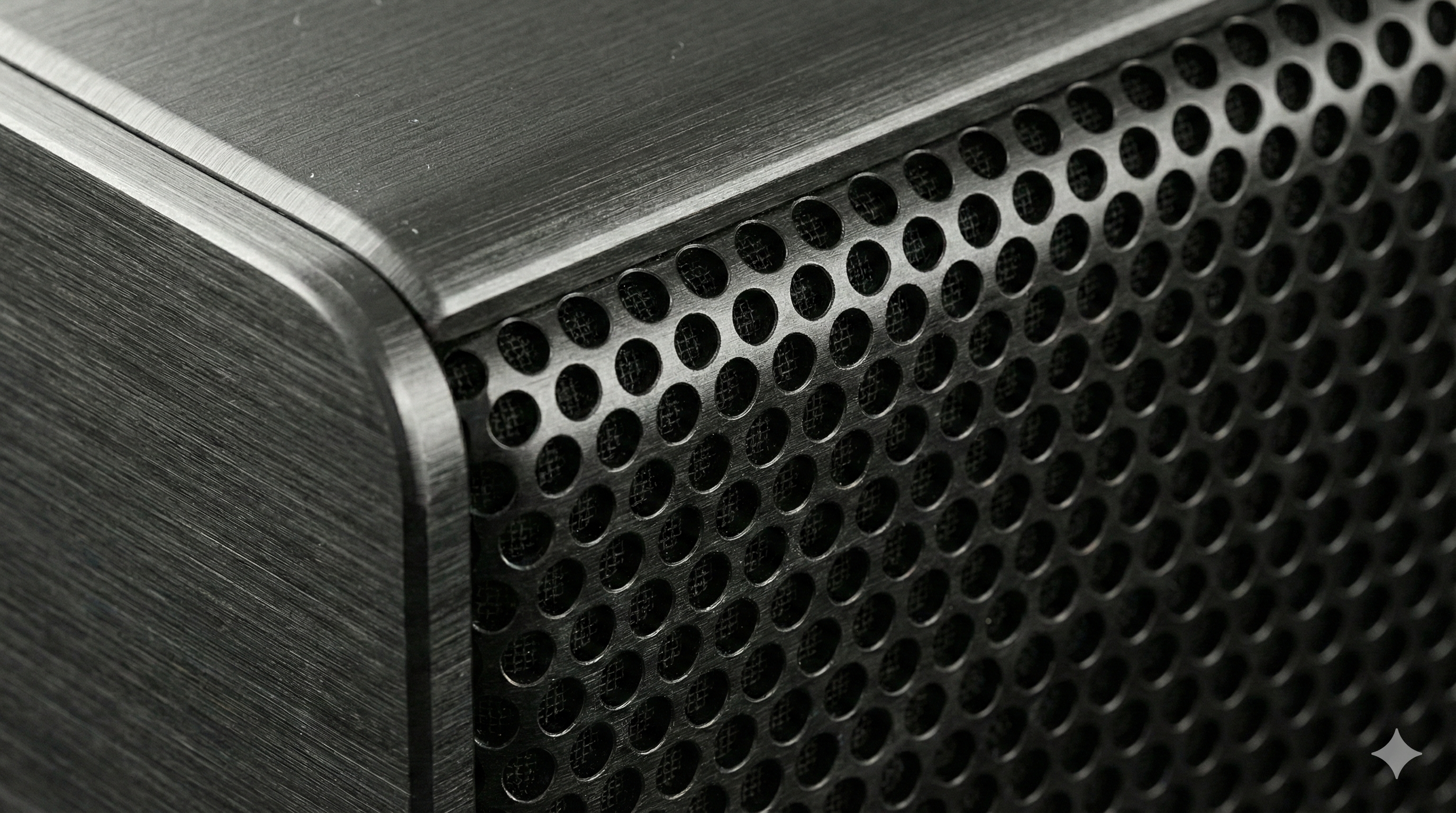
- Build Material: CNC-machined aluminum block for structural rigidity and EMI shielding.
Real-World Performance
Living with the Opus 2M2 is a tactile experience. The moment you pick it up, the weight of the CNC-machined aluminum tells you this isn't a plastic toy. During my daily commute, the device felt like a reliable companion, easily slipping into a jacket pocket. I primarily paired it with a set of planar magnetic headphones, and the 2.5mm balanced output provided enough headroom to drive them with authority. Unlike my smartphone, which often struggles with complex orchestral crescendos, the 2M2 kept the soundstage wide and the imaging precise, ensuring that no instrument felt buried in the mix.
While this is primarily a music device, I have found it to be an excellent partner for high-fidelity gaming and mobile movie watching. When connected to high-end wired IEMs, the lack of a noise floor makes it perfect for watching films on long-haul flights, where silence is premium. The 150-step volume wheel is a standout feature here; it allowed me to dial in the perfect listening level during quiet dialogue scenes without the jarring jumps common in digital volume sliders. It turns the simple act of adjusting volume into a satisfying, physical ritual.
Image/Sound Quality Deep Dive
The sonic signature of the Opus 2M2 is best described as organic and holographic. Many modern DAPs lean toward a "clinical" sound—a hyper-sharp, analytical presentation that highlights every flaw in a recording. The 2M2 takes a different approach. It provides a touch of warmth in the midrange, which makes vocal-heavy tracks feel intimate and immediate. The ESS9018K2M implementation ensures that the separation between instruments is distinct, but it never feels disjointed. You get the technical detail of high-res FLAC files without the fatigue that comes from an overly aggressive treble response.
The bass response is another highlight. It is tight, controlled, and punchy, lacking the "bloat" often found in budget-tier players. Because the 2M2 handles native DSD files without PCM conversion, the texture of live recordings remains intact. You can hear the decay of a guitar string or the subtle breath of a vocalist in a way that feels natural, not processed. It creates a "bubble" of sound that makes you forget you are listening through a portable device.
Setup & Ease of Use
Unboxing the Opus 2M2 is straightforward, and the setup process is refreshingly minimal. Since it runs on a customized version of Android, anyone who has used a smartphone will find the interface intuitive. Loading your music library is as simple as dragging and dropping files onto the internal storage or a microSD card via your computer. The system boots quickly, and the library indexing is efficient, even with thousands of tracks.
Connectivity is limited to wired options, which is a deliberate design choice to maintain signal purity. While some might miss modern conveniences like Wi-Fi streaming apps or advanced Bluetooth support, the trade-off is a stable, lag-free experience. You don't have to worry about firmware updates breaking your playback or apps crashing mid-song; the device does one thing, and it does it exceptionally well.
Who Should Buy This?
The Opus 2M2 is designed for the "purist" audiophile who is tired of the compromise found in mainstream consumer hardware. If your music library consists of FLAC, ALAC, or DSD files and you believe that the quality of your playback chain matters, this player is for you. It is also an excellent choice for those who want a "distraction-free" listening experience—no social media pings or email notifications—just you and your music. If you value build quality, tactile controls, and a warm, musical sound profile over the latest software features, the 2M2 remains a top-tier contender.
Pros and Cons
- Pros:
- Exceptional build quality with a premium, durable CNC aluminum chassis.
- Organic, non-fatiguing sound signature with excellent holographic imaging.
- Precise 150-step volume wheel for granular control.
- Native DSD and high-res PCM support for audiophile-grade fidelity.
- Cons:
- Battery life is modest by modern standards (expect 9-10 hours).
- Lacks modern wireless features like advanced Bluetooth codecs or Wi-Fi streaming.
- The interface, while snappy, feels dated compared to current flagship smartphones.
Final Verdict
In a world of rapidly aging electronics, the Opus 2M2 feels like a classic watch or a well-engineered camera—it is built to last and designed to perform a specific function with excellence. While it lacks the "smart" connectivity of 2026’s newest players, it compensates with a sonic performance that is genuinely hard to beat at any price point. If you want to stop worrying about specs and start reconnecting with your music, this device is a masterclass in balance. I highly recommend the Opus 2M2 to anyone who wants to elevate their listening habits and rediscover the soul in their favorite albums. It remains a legendary piece of kit for a reason.
See our complete soundbar buyer's guide for more expert picks and comparisons.


Comments
Post a Comment